

Are you missing orders you never hear about?
28 September 2026 · 3 mins read · Graeme
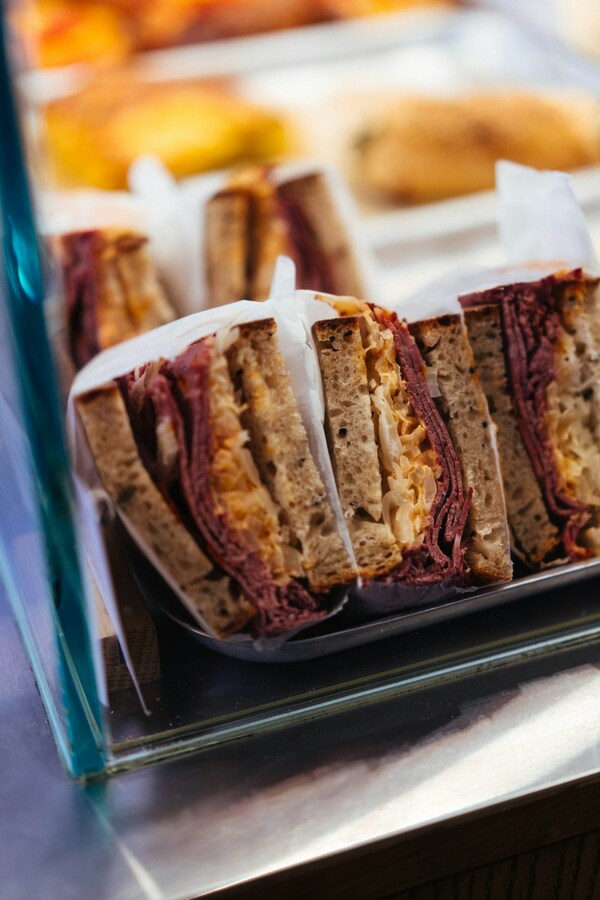
A few years ago I got talking to the staff in a hairdressers about where they went for lunch. There was a good little sandwich shop up the road and, sure enough, that was the popular answer. But they had a complaint. Half the time they didn't order from there at all, because from about half eleven onwards nobody would pick up the phone. It turned out the staff had taken to leaving the handset off the hook once the rush started.
When I mentioned it to the owner, he had no idea. His team hated the phone - it went off when their hands were full, the line was noisy, orders got misheard, and a misheard order is worse than no order. Taking it off the hook was the sensible fix to the problem they could see. Nobody was looking at the problem they couldn't see, which was a salon full of people who'd given up and gone somewhere else.
Nobody complains about the lunch they didn't buy.
That's the thing about lost orders. If you get an order wrong, you hear about it. If you're slow, you hear about it. But if someone can't get through, or looks at your queue and keeps walking, or arrives at the van to find you've sold out of everything except egg mayonnaise, they don't ring up to tell you. They just quietly become somebody else's customer, and your takings show a number that looks fine because you've got nothing to compare it with.
The three that cost you most
The unanswered phone is the obvious one, and it's nearly always at exactly the moment the orders are worth having.
The queue is the second. Office workers are on a clock - it might only be half an hour, and ten minutes of that spent standing in line is a bad deal. Plenty of people will look at five deep at the counter and decide they'll sort something out at their desk instead.
The third is running out. If you're doing a round and the last three stops get whatever's left in the box, those customers learn to stop relying on you. Not dramatically, just gradually. They'll still buy from you when it suits them, but they've stopped planning their lunch around you, and that's the difference between a regular and an occasional.
Go and ask
The fix starts with finding out, and the only reliable way is to ask. Not your customers - the people who aren't your customers. Pick three or four offices near your pitch, go in on a quiet afternoon, and ask whoever's on reception where everybody gets their lunch and why. You'll learn more in twenty minutes than from a month of staring at your till.
Be prepared for the answer to be something small and fixable. It usually is. The café owner above didn't have a marketing problem, he had a telephone problem.
Taking orders online deals with all three at once, which is really the point of it. The order arrives whether or not anyone is free to answer, it's written down exactly as the customer typed it, and it's paid for before you've made it - so the people at the end of the round get what they asked for rather than what's left. If you're using Pekkish, your dashboard will also show you the orders that came in during the hour you'd otherwise have had the phone off the hook.